
Консультационный телефон
1388xx888xx
1388xx888xx
TIME: 2025-12-30
В современном мире, где экологические проблемы и рост цен на энергоресурсы становятся все более актуальными, солнечные водонагреватели представляют собой инновационное решение для экономии энергии и сокращения выбросов углекислого газа. Эти устройства используют бесплатную и возобновляемую энергию солнца для нагрева воды, что делает их не только экологичными, но и экономически выгодными в долгосрочной перспективе. В этой статье мы подробно разберем устройство солнечных водонагревателей, принципы их работы, различные типы, преимущества и недостатки, а также практические аспекты их установки и использования. Наша цель — предоставить comprehensive руководство, которое поможет вам понять, как эти системы функционируют и почему они являются перспективной технологией для будущего.
Солнечные водонагреватели — это системы, предназначенные для использования солнечной энергии для нагрева воды в бытовых или промышленных целях. Они существуют уже несколько десятилетий, но с развитием технологий их эффективность и доступность значительно улучшились. Основная идея заключается в преобразовании солнечного излучения в тепловую энергию, которая затем передается воде через специальные компоненты. Это позволяет сократить зависимость от традиционных источников энергии, таких как газ или электричество, что не только экономит деньги, но и снижает негативное воздействие на окружающую среду.
История солнечных водонагревателей насчитывает более века. Первые простые системы появились в конце 19 века, но массовое распространение они получили в 1970-х годах во время энергетического кризиса. Сегодня, благодаря advancements в материалах и design, солнечные водонагреватели стали более efficient и reliable. Они widely используются в странах с высоким уровнем солнечной инсоляции, таких как Испания, Греция, Китай и Австралия, но также gain popularity в регионах с умеренным климатом, включая Россию, где они can be эффективно applied в летний период или с дополнительными heating элементами.
В целом, солнечные водонагреватели можно разделить на два основных типа: active и passive системы. Active системы используют pumps или fans для циркуляции heat transfer жидкости, в то время как passive системы rely на естественной convection или thermosiphon эффекте. Каждый тип has свои преимущества и limitations, которые мы explore далее в статье. Understanding these basics является ключевым для принятия informed решений о установке такой системы.
Принцип работы солнечных водонагревателей основан на простых физических законах, primarily на absorption солнечного radiation и transfer тепла. Солнечное излучение состоит из visible light, infrared radiation, и ultraviolet light. Когда это radiation падает на surface коллектора, оно absorbed и converted в thermal energy. Этот process enhanced за счет использования materials с high absorptivity, таких как черные painted surfaces или selective coatings, которые minimize heat loss.
Key компоненты involved в работе включают solar collector, heat transfer fluid, storage tank, и control system. Solar collector — это device, который captures солнечную энергию. Он typically consists из absorber plate, cover glass, insulation, и frame. Absorber plate made из metal, такого как copper или aluminum, и coated с dark material для maximum absorption. Cover glass, обычно из tempered glass, позволяет sunlight проходить through while reducing heat loss due to convection и radiation. Insulation around collector minimizes thermal losses to окружающей среды.
Heat transfer fluid, такая как water или antifreeze solution, circulates through collector и absorbs heat. В active системах, pump используется для circulation этой жидкости через collector и heat exchanger, который transfers heat к water в storage tank. В passive системах, natural convection вызывает circulation: heated fluid становится less dense и rises, в то время как cooler fluid sinks, creating continuous flow. Storage tank insulated для сохранения heated water для later use.
Control system, часто electronic, monitors temperatures и activates pump или другие components когда необходимо. Например, если temperature в collector выше чем в tank, pump включается чтобы transfer heat. This ensures efficient operation и prevents overheating или freezing. Overall, принцип работы involves capture, conversion, transfer, и storage тепловой энергии, making it reliable и effective для daily use.
Устройство солнечных водонагревателей состоит из нескольких key components, каждый из которых plays crucial role в overall performance. Давайте подробно examine каждый component.
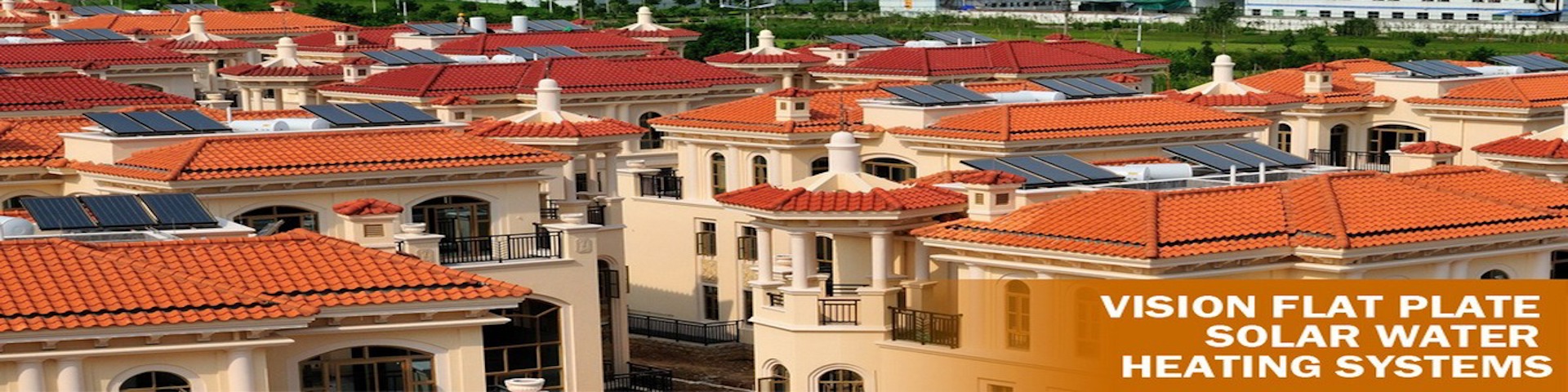
Солнечный коллектор является сердцем системы. Он designed чтобы capture солнечное radiation и convert it в heat. Существуют различные types коллекторов, включая flat-plate collectors, evacuated tube collectors, и concentrating collectors. Flat-plate collectors являются наиболее common и consist из flat absorber plate, cover glass, insulation, и frame. Они simple, durable, и relatively inexpensive, но могут have lower efficiency в cold или cloudy conditions.
Evacuated tube collectors consist из rows of glass tubes, each containing absorber plate и vacuum seal чтобы minimize heat loss. Они более efficient чем flat-plate collectors, особенно в cold weather, потому что vacuum acts как excellent insulator. Однако, они tend to be more expensive и fragile. Concentrating collectors use mirrors или lenses чтобы focus sunlight на small area, increasing temperature, но они сложнее и обычно used для high-temperature applications.
Materials used в collectors include copper для absorber plates due to its high thermal conductivity, aluminum для frames как lightweight alternative, и glass с low iron content для high transmittance. Selective coatings, такие как black chrome или titanium nitride, applied к absorber surfaces чтобы enhance absorption и reduce emission of infrared radiation.
Heat transfer fluid, или теплоноситель, является medium который carries heat от collector к storage tank. В systems где water непосредственно heated, such как in direct systems, water itself acts как теплоноситель. Однако, в cold climates, antifreeze solutions, такие как propylene glycol, используются чтобы prevent freezing. Эти fluids circulate through pipes или tubes в collector.
В active системах, circulation обеспечивается pump, который controlled by thermostat или controller. Pump включается когда temperature difference между collector и tank превышает set point. В passive системах, circulation occurs naturally через thermosiphon effect: heated fluid rises в collector и flows в tank, расположенный выше, while cooler water from tank flows down в collector. This eliminates need для pump, making system simpler и more reliable, но requires proper positioning для effective operation.
Heat exchanger often used в indirect systems чтобы separate heat transfer fluid от potable water. Это prevents contamination и allows use of antifreeze. Common types include shell-and-tube heat exchangers или plate heat exchangers, которые efficient в transfer тепла.
Storage tank, или накопительный бак, является где heated water stored для use. Он typically made из steel, stainless steel, или glass-lined materials чтобы resist corrosion. Tank insulated с materials such как polyurethane foam чтобы minimize heat loss. Size tank depends на household's water demand; typical sizes range от 80 до 300 liters для residential use.
In some systems, tank integrated с collector, как в integral collector-storage systems, где collector и tank are combined. Это compact design, но может suffer от higher heat loss. Separate tanks allow for better insulation и flexibility в installation. Additional heating elements, such как electric heaters, may be included чтобы provide backup heating в periods of low solar insolation.
Control system ensures efficient operation солнечного водонагревателя. It typically includes temperature sensors, controller, и pumps или valves. Controller monitors temperatures в collector и tank и activates pump когда necessary. Modern controllers may have features such as data logging, remote monitoring, и integration с smart home systems.
Safety features, such как overheat protection и freeze protection, are important. Overheat protection prevents damage от excessive temperatures by diverting heat или shutting down system. Freeze protection ensures that system does not freeze в cold weather, often by circulating antifreeze или draining water.
Солнечные водонагреватели can be categorized на несколько types based на их design и operation. Understanding these types helps в choosing the right system для specific needs.
Active systems use mechanical devices, such как pumps, для circulation heat transfer fluid. Они подразделяются на direct circulation systems и indirect circulation systems. В direct systems, water circulated directly through collector, making them simple но unsuitable для freezing climates. В indirect systems, heat transfer fluid circulated through collector и heat exchanger, allowing use of antifreeze и making them suitable для cold regions.
Active systems generally more efficient и flexible чем passive systems, так как pump can be controlled чтобы optimize performance. Однако, они require electricity для pump, which can be drawback в areas with unreliable power supply.
Passive systems rely на natural convection для circulation, without mechanical pumps. Основные types include thermosiphon systems и integral collector-storage systems. В thermosiphon systems, tank mounted above collector, и heated water rises naturally в tank. Это reliable и energy-efficient, но requires structural support для tank.
Integral collector-storage systems combine collector и tank в one unit. Они simple и inexpensive, но may have higher heat loss и are less efficient в cold weather. Passive systems are often preferred для their simplicity и low maintenance, но may not be as effective в all conditions.
Other variations include drainback systems, где heat transfer fluid drained из collector когда not in use чтобы prevent freezing, и closed-loop systems с antifreeze. Concentrating systems use mirrors чтобы focus sunlight, achieving higher temperatures но are more complex.
Choice of type depends на climate, water demand, budget, и installation constraints. For example, в warm climates, passive direct systems may suffice, while в cold climates, active indirect systems with antifreeze are recommended.
Солнечные водонагреватели offer numerous benefits, но также have some limitations. Let's explore them in detail.
Установка солнечного водонагревателя requires careful planning и professional assistance чтобы ensure optimal performance. Key steps include site assessment, system selection, installation, и commissioning.
Site assessment involves evaluating solar access, shading, roof orientation, и structural integrity. Ideal orientation is south-facing в Northern Hemisphere с tilt angle equal to latitude для maximum solar gain. Shading from trees или buildings should be minimized.
System selection based на local climate, water usage, и budget. For example, в cold areas, indirect systems with antifreeze are preferable. Installation should be done by certified technicians чтобы ensure safety и efficiency. This includes mounting collectors, connecting pipes, installing tank, и setting up control system.
After installation, system should be tested и commissioned. Regular maintenance includes cleaning collectors every few months, checking for leaks, monitoring performance, и replacing heat transfer fluid если необходимо. Users should also be educated на how to optimize use, such as using hot water during peak solar hours.
In terms of cost, average installation price для residential system ranges от 1000 до 5000 USD depending на size и type. Government incentives, tax credits, или rebates may be available в many countries чтобы reduce initial investment.
Солнечные водонагреватели represent a promising technology для sustainable energy future. Они effectively harness solar energy чтобы provide hot water, reducing environmental impact и saving money. While they have limitations, advancements в materials, design, и integration с other renewable systems are continuously improving their efficiency и affordability.
Future trends include development of hybrid systems that combine solar with other heat sources, such as heat pumps, и use of smart technologies для optimized control. As energy costs rise и environmental awareness grows, adoption of solar water heaters is expected to increase globally.
In conclusion, understanding the device и principles of solar water heaters is essential для anyone considering this eco-friendly option. With proper selection, installation, и maintenance, они can provide reliable hot water для years to come, contributing to a greener planet.
Ключевые выводы: Солнечные водонагреватели work by absorbing solar radiation и transferring heat to water through collectors и heat exchangers. They come in active и passive types, each with pros и cons. Benefits include energy savings и environmental friendliness, while drawbacks include high initial costs и weather dependence. Proper installation и maintenance are crucial для success.
Предыдущая страница: Инновационная солнечная система хранения тепла для комфорта
Следующая страница: Почему стоит выбрать пассивное солнечное отопление для вашего дома
[Вернуться к списку]