
Консультационный телефон
1388xx888xx
1388xx888xx
TIME: 2025-12-20
В современном мире, где вопросы энергосбережения и экологии выходят на первый план, солнечные коллекторы представляют собой одну из самых перспективных инноваций для обеспечения отопления и горячего водоснабжения. Эта технология, основанная на использовании бесплатной и неиссякаемой солнечной энергии, не только снижает зависимость от традиционных источников энергии, но и вносит значительный вклад в борьбу с изменением климата. В данной статье мы подробно рассмотрим принципы работы солнечных коллекторов, их типы, преимущества, challenges, и будущие перспективы, демонстрируя, почему они становятся ключевым элементом устойчивого развития.
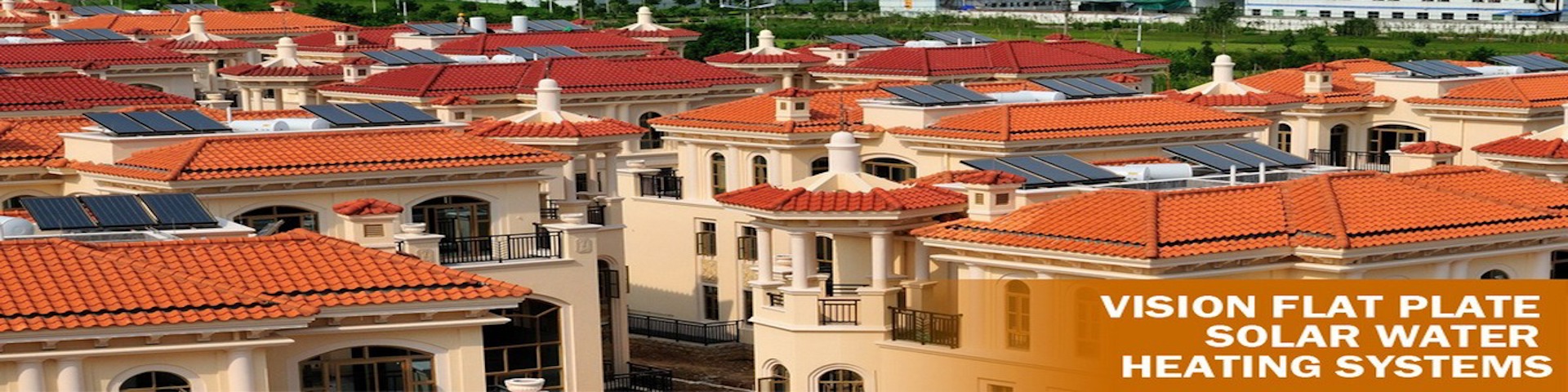
Солнечный коллектор — это устройство, предназначенное для сбора тепловой энергии солнца и её преобразования в полезное тепло, которое может использоваться для отопления помещений или подготовки горячей воды. Основной принцип работы основан на поглощении солнечного излучения специальными поверхностями, которые нагреваются и передают тепло теплоносителю, typically воде или антифризу. Этот теплоноситель затем циркулирует через систему, отдавая тепло в бак-аккумулятор или непосредственно в систему отопления.
Существует несколько типов солнечных коллекторов, включая плоские коллекторы, вакуумные трубчатые коллекторы и концентрирующие коллекторы. Каждый тип имеет свои особенности: плоские коллекторы просты и эффективны в умеренном климате, вакуумные трубчатые обеспечивают более высокую эффективность при низких температурах, а концентрирующие коллекторы используются для достижения очень высоких температур, но требуют точного наведения на солнце.
Процесс работы начинается с поглощения солнечных лучей абсорбером, который обычно изготавливается из материалов с высоким коэффициентом поглощения, таких как медь или алюминий, покрытых селективным покрытием для минимизации тепловых потерь. Тепло передается теплоносителю, и с помощью насоса или естественной конвекции оно перемещается в теплообменник, где нагревает воду для бытовых нужд или систему отопления. Интеграция с существующими системами, такими как газовые или электрические котлы, позволяет обеспечить надежное энергоснабжение даже в периоды недостаточного солнечного света.
Одним из главных преимуществ солнечных коллекторов является их способность значительно снизить затраты на энергию. По оценкам экспертов, правильно установленная система может покрыть до 60-70% потребностей в горячей воде и до 30-50% в отоплении для среднего households, в зависимости от климатических условий и размера системы. Это приводит к substantial экономии на счетах за electricity или gas, особенно в регионах с high solar insolation.
Экологические benefits не менее важны. Использование солнечной энергии сокращает выбросы парниковых газов, таких как CO2, поскольку она заменяет ископаемое топливо. Например, одна типичная солнечная thermal система может предотвратить emission до 1 тонны CO2 в год, что эквивалентно посадке нескольких деревьев. Кроме того, солнечная energy является возобновляемой и sustainable, unlike finite resources like coal or oil, что способствует energy security и reduces geopolitical risks, associated with energy imports.
Долговечность и низкие эксплуатационные расходы также делают солнечные коллекторы attractive. Modern systems designed to last 20-30 years with minimal maintenance, such as occasional cleaning of surfaces or checks on pumps. Additionally, government incentives and subsidies in many countries, including tax credits or grants, further reduce the initial investment costs, making solar thermal technology more accessible to a wider audience.
В последние годы solar thermal technology has seen significant advancements, driven by research and development. Innovations include improved absorber materials with higher efficiency, such as nanomaterials or coatings that enhance heat absorption while reducing losses. Smart control systems have been integrated, allowing for optimized operation based on weather forecasts and energy demand, which increases overall system performance.
Another exciting development is the integration of solar collectors with other renewable energy systems, like photovoltaic (PV) panels or heat pumps. Hybrid systems can provide both electricity and heat, maximizing energy utilization. For instance, PV-thermal collectors combine PV cells with thermal absorbers, generating electricity while capturing waste heat for water heating. This multifunctionality is particularly valuable in urban settings where space is limited.
Research is also focusing on seasonal storage solutions, such as underground thermal energy storage, which allows excess heat collected in summer to be stored and used in winter. This addresses the intermittency of solar energy and enhances reliability. Furthermore, advancements in manufacturing processes have reduced costs, making solar collectors more affordable and scalable for mass deployment.
Несмотря на numerous advantages, solar collectors face several challenges. The initial cost can be high, ranging from a few thousand to tens of thousands of dollars depending on system size and type, which may deter some consumers. However, as technology advances and economies of scale are achieved, costs are gradually decreasing.
Intermittency is another issue; solar energy is only available during daylight hours and is affected by weather conditions. This requires backup systems, such as conventional boilers, to ensure continuous supply. Additionally, installation requires adequate space and proper orientation towards the sun, which may not be feasible for all buildings, especially in densely populated areas.
Regional variations in climate also impact efficiency. In areas with low solar insolation or frequent cloud cover, the performance of solar collectors may be limited. Nevertheless, with proper design and sizing, systems can still provide significant benefits. Education and awareness are key to overcoming skepticism and promoting adoption among homeowners and businesses.
Looking ahead, the future of solar collectors is bright. Global trends towards decarbonization and the transition to renewable energy are driving increased adoption. Governments worldwide are setting ambitious targets, such as the European Union's goal to achieve climate neutrality by 2050, which includes promoting solar thermal technologies.
Technological innovations will continue to improve efficiency and reduce costs. For example, research into perovskite-based absorbers or AI-driven optimization could revolutionize the field. The integration with smart grids and Internet of Things (IoT) devices will enable more responsive and efficient energy management.
In emerging markets, solar collectors offer a viable solution for energy access in remote areas, reducing reliance on expensive and polluting fuels like diesel. As awareness grows and policies support renewable energy, solar thermal systems are poised to become a mainstream option for heating and hot water, contributing to a sustainable and resilient energy future.
В заключение, солнечные коллекторы представляют собой мощную инновацию для отопления и горячего водоснабжения, сочетающую экономические, экологические и технологические преимущества. Несмотря на некоторые challenges, их potential to transform energy systems is undeniable. By embracing this technology, individuals and societies can move towards a more sustainable future, reducing carbon footprints and enhancing energy independence. It is imperative that stakeholders—governments, industries, and consumers—work together to accelerate adoption and unlock the full benefits of solar thermal energy.
Предыдущая страница: Основные характеристики современных солнечных панелей для дачи
Следующая страница: Как работает солнечный водонагреватель
[Вернуться к списку]