
Консультационный телефон
1388xx888xx
1388xx888xx
TIME: 2025-12-19
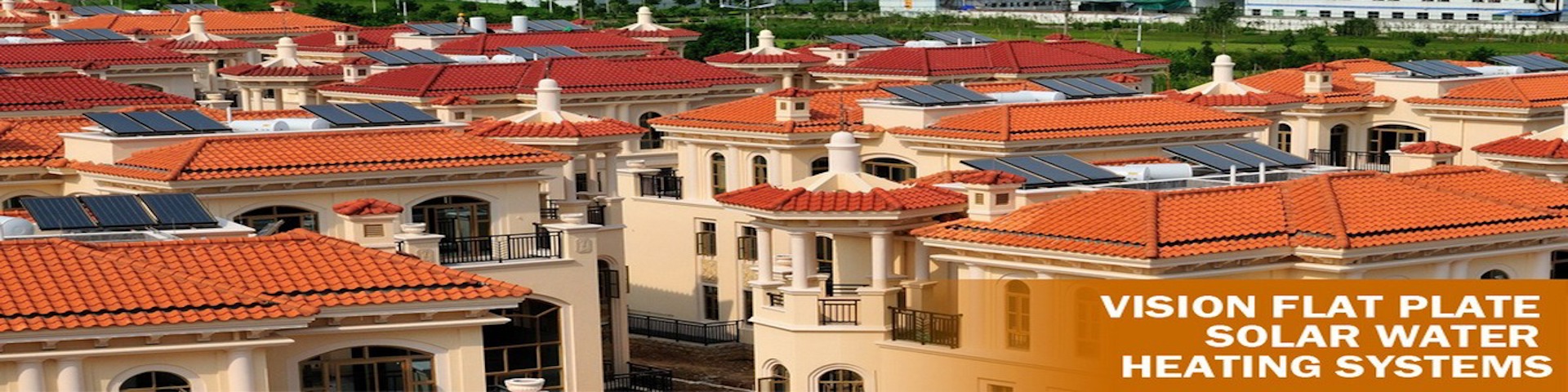
В современном мире, где цены на энергоресурсы постоянно растут, а экологические проблемы становятся все более острыми, поиск альтернативных и экономичных способов отопления становится не просто прихотью, а настоятельной необходимостью. Одним из таких решений является солнечный нагреватель – устройство, которое использует энергию солнца для обогрева помещений и воды, позволяя существенно снизить затраты на отопление в течение всего года. В этой статье мы подробно обсудим, как работает солнечный нагреватель, его преимущества, потенциальные выгоды, а также рассмотрим практические аспекты внедрения этой технологии в повседневную жизнь. Мы проанализируем, почему солнечное отопление – это не просто модный тренд, а разумный инвестиционный выбор для тех, кто стремится к экономии и устойчивому развитию.
Солнечная энергия – это неисчерпаемый ресурс, который человечество начало активно осваивать в последние десятилетия. В отличие от ископаемого топлива, такого как уголь, нефть или газ, солнечная энергия не производит вредных выбросов и не зависит от колебаний цен на мировых рынках. Солнечные нагреватели, или солнечные коллекторы, представляют собой устройства, которые преобразуют солнечное излучение в тепловую энергию, используемую для отопления зданий и нагрева воды. Эта технология особенно актуальна в регионах с высоким уровнем инсоляции, но даже в умеренных климатических зонах, таких как большая часть России, она может обеспечить значительную экономию.
История солнечного отопления насчитывает уже несколько десятилетий. Первые простые солнечные нагреватели появились еще в XIX веке, но массовое распространение они получили в 1970-х годах, во время энергетического кризиса, когда многие страны начали искать альтернативы традиционным источникам энергии. С тех пор технология значительно усовершенствовалась: современные солнечные коллекторы стали более эффективными, надежными и доступными. Сегодня они используются как в жилых домах, так и в коммерческих зданиях, помогая сокращать счета за отопление и уменьшать углеродный след.
Однако, несмотря на очевидные преимущества, солнечное отопление все еще сталкивается с некоторыми предрассудками и мифами. Многие люди ошибочно полагают, что солнечные нагреватели работают только в солнечную погоду или что их установка требует огромных первоначальных вложений. В действительности, современные системы способны функционировать даже в пасмурные дни, аккумулируя тепло, а стоимость установки часто окупается в течение нескольких лет благодаря экономии на энергоносителях. В этой статье мы развеем эти мифы и предоставим факты, основанные на научных исследованиях и реальном опыте пользователей.
Цель данной статьи – не просто описать технологию, но и убедить читателей в том, что инвестиция в солнечный нагреватель – это明智ный шаг towards финансовой стабильности и экологической ответственности. Мы рассмотрим различные типы солнечных коллекторов, их эффективность в разных климатических условиях, а также дадим практические советы по выбору и установке. Кроме того, мы обсудим, как солнечное отопление может интегрироваться с existing системами отопления, такими как газовые или электрические котлы, чтобы обеспечить бесперебойное тепло даже в самые холодные месяцы.
В конечном счете, переход на солнечное отопление – это не только способ сэкономить деньги, но и вклад в будущее планеты. Сокращая зависимость от ископаемого топлива, мы уменьшаем выбросы парниковых газов и замедляем изменение климата. Это делает солнечные нагреватели не просто utilitarian devices, but symbols of a more sustainable and forward-thinking lifestyle. В следующих разделах мы углубимся в детали, чтобы помочь вам сделать informed decision about adopting this technology.
Чтобы понять, как солнечный нагреватель позволяет экономить на отоплении круглый год, необходимо разобраться в принципах его работы. Солнечный коллектор – это сердце системы, которое улавливает солнечное излучение и преобразует его в тепло. Существует несколько типов солнечных коллекторов, но наиболее распространенными являются плоские коллекторы и вакуумные трубчатые коллекторы. Оба типа designed to maximize heat absorption and minimize heat loss, but they differ in construction and efficiency.
Плоские солнечные коллекторы состоят из absorber plate, обычно made of metal with a dark coating to enhance heat absorption, покрытого glass or plastic cover to create a greenhouse effect. Под пластиной находятся tubes or channels, through which flows a heat transfer fluid, such as water or antifreeze. Когда солнечные лучи попадают на absorber, они нагревают fluid, which then circulates through a system of pipes to a heat exchanger, where the heat is transferred to water or air for use in heating. This type of collector is relatively simple and cost-effective, making it popular for residential applications.
Вакуумные трубчатые коллекторы, с другой стороны, используют evacuated tubes to reduce heat loss. Каждая tube состоит из двух glass layers with a vacuum between them, which acts as an excellent insulator. Внутри tubes находится absorber coating and a heat pipe or direct flow channel. Вакуумная изоляция позволяет these collectors to maintain high temperatures even in cold weather, making them more efficient than flat plate collectors in regions with low insulation or harsh winters. Однако они tend to be more expensive and require more maintenance.
Кроме коллекторов, солнечная система отопления включает storage tank for hot water, pumps for circulating the fluid, and controls to regulate temperature and flow. В некоторых systems, солнечная энергия используется directly for space heating through radiators or underfloor heating, while in others, it pre-heats water for use in conventional boilers, reducing the workload of these devices and thus saving energy.
Эффективность солнечного нагревателя зависит от нескольких факторов: orientation and tilt of the collectors, local climate, and the quality of installation. Ideally, collectors should face south (in the Northern Hemisphere) and be tilted at an angle equal to the latitude of the location to maximize sun exposure. In regions with high solar radiation, such as southern Russia, systems can provide up to 60-70% of annual heating needs, while in more northern areas, this figure might be lower, but still significant – around 30-50%. Advanced systems can include heat storage, such as insulated water tanks or phase change materials, to store excess heat for use during nighttime or cloudy days, ensuring round-the-year operation.
Важно отметить, что солнечные нагреватели не предназначены для完全 замены traditional heating systems in all climates, but rather for supplementing them. In combination with energy-efficient building design, such as good insulation and passive solar features, they can drastically reduce reliance on fossil fuels. For example, in a well-insulated home, solar thermal系统 can cover most of the heating demand during spring and autumn, and a significant portion in winter, leading to substantial savings on bills.
В целом, технология солнечного отопления mature and reliable, with many proven cases of successful implementation worldwide. Governments and organizations often offer incentives, such as tax credits or subsidies, to encourage adoption, further enhancing the economic benefits. By understanding how these systems work, consumers can make informed choices and maximize their investment in sustainable energy.
Одним из главных аргументов в пользу солнечного нагревателя является его экономическая эффективность. Хотя первоначальная стоимость установки может показаться высокой – в среднем от 50,000 до 200,000 рублей для typical residential system в России – эта инвестиция быстро окупается за счет savings on energy bills. Рассмотрим детальнее, как происходит этот процесс и какие факторы влияют на срок окупаемости.
Во-первых, солнечный нагреватель reduces or eliminates the need for conventional energy sources for heating and hot water. Например, if a household previously spent 20,000 рублей в месяц на газ или electricity for heating, after installing a solar system, these costs can drop by 50% or more, depending on the system's size and local conditions. Over a year, this translates to savings of 120,000 рублей or more. Given that the average cost of a system is around 100,000 рублей, payback period can be as short as 1-2 years in ideal scenarios, but typically ranges from 3-7 years. This is comparable to or better than many other investments, such as stock market or real estate, especially considering that energy prices tend to rise over time, making savings even greater in the long run.
Во-вторых, солнечные системы have low operating costs. Once installed, they require minimal maintenance – occasional cleaning of collectors and checks of pumps and controls – which costs much less than fueling a gas boiler or paying for electricity. Additionally, many components, such as collectors and tanks, have long lifespans of 20-30 years, meaning that after the initial payback, the system continues to provide free heat for decades. This long-term perspective makes solar heating a smart financial decision, as it locks in low energy costs and protects against future price hikes.
В-третьих, there are often financial incentives available. В России, например, существуют government programs and subsidies for renewable energy installations, such as the program "Energy Efficiency and Energy Development", which can cover up to 30% of the installation cost. Local utilities may also offer rebates or net metering schemes, where excess energy generated can be sold back to the grid, though this is more common for solar PV than thermal systems. These incentives significantly reduce the upfront cost and shorten the payback period.
Кроме прямых savings, солнечное отопление увеличивает стоимость property. Дома с solar systems are more attractive to buyers because they promise lower utility bills and modern, eco-friendly features. Studies show that such homes can sell for 3-5% more than comparable properties without solar installations. This added value can be considered part of the return on investment, especially if the owner plans to sell the property in the future.
Однако, важно учитывать и potential challenges. Эффективность системы depends on factors like climate – in areas with low solar radiation, savings might be lower. Also, improper installation or poor quality equipment can lead to reduced performance and higher maintenance costs. Therefore, it is crucial to choose reputable installers and high-quality components to ensure optimal results.
В целом, экономические выгоды солнечного нагревателя undeniable. By reducing energy bills, leveraging incentives, and increasing property value, these systems offer a solid return on investment. As energy prices continue to climb and environmental concerns grow, investing in solar thermal technology becomes not just a cost-saving measure, but a strategic move towards financial independence and sustainability.
Помимо экономии, солнечные нагреватели играют crucial role in environmental protection. Традиционные методы отопления, такие как сжигание угля, газа или нефти, release large amounts of carbon dioxide (CO2) and other greenhouse gases into the atmosphere, contributing to climate change and air pollution. В contrast, солнечная энергия is clean and renewable, producing zero emissions during operation. В этом разделе мы explore the environmental benefits of solar heating and how it supports global sustainability goals.
Во-первых, сокращение выбросов CO2. Один average household in Russia emits several tons of CO2 per year from heating alone. By switching to solar, these emissions can be reduced by 50% or more. For example, if a solar system covers 60% of heating needs, it prevents the release of approximately 2-3 tons of CO2 annually. Multiply this by millions of households, and the impact on climate change mitigation becomes significant. This aligns with international agreements like the Paris Agreement, where countries commit to reducing greenhouse gas emissions to limit global warming.
Во-вторых, уменьшение зависимости от ископаемого топлива. Ископаемое топливо not only contributes to climate change but also involves environmental degradation from extraction and transportation, such as oil spills or habitat destruction. By using solar energy, we reduce the demand for these resources, promoting energy security and reducing geopolitical tensions related to energy imports. Russia, as a major energy producer, can benefit from diversifying its energy mix and reducing domestic consumption of fossil fuels for export or other uses.
В-третьих, улучшение качества воздуха. Сжигание топлива releases not only CO2 but also pollutants like sulfur dioxide (SO2), nitrogen oxides (NOx), and particulate matter, which cause respiratory problems and other health issues. Solar heating eliminates these emissions at the point of use, leading to cleaner air and better public health, especially in urban areas where air pollution is a major concern.
Кроме того, солнечная энергия является sustainable resource. Unlike fossil fuels, which are finite and will eventually run out, solar energy is abundant and available everywhere. Even in regions with less sun, modern technology can harness enough energy to make a difference. This ensures that future generations will have access to clean energy without depleting natural resources.
Важно отметить, что production and disposal of solar equipment do have some environmental impact, such as energy used in manufacturing or waste from old components. However, this impact is much smaller compared to the lifetime emissions avoided. Moreover, the industry is continuously improving recycling processes and using more sustainable materials to minimize this footprint.
В целом, adopting solar heating is a proactive step towards a greener planet. It demonstrates personal and corporate responsibility for the environment and can inspire others to follow suit. As more people switch to renewable energy, the collective impact will help combat climate change and create a healthier, more sustainable world for all.
Решив invest in a solar heater, it's essential to approach the process thoughtfully to ensure maximum benefits. Этот раздел provides practical guidance on selecting the right system, finding a qualified installer, and maintaining the equipment for optimal performance.
First, assess your needs. Calculate your household's heating and hot water demand based on factors like square footage, number of occupants, and current energy usage. This will help determine the size and type of system required. For example, a family of four might need a system with 4-6 square meters of collector area and a 300-liter storage tank for adequate hot water supply.
Next, choose the type of collector. Flat plate collectors are cheaper and suitable for regions with good solar exposure, while vacuum tube collectors are more efficient in colder or cloudier climates but cost more. Consider your local weather conditions and budget when making this decision.
Then, select a reputable installer. Look for companies with experience in solar thermal installations, positive customer reviews, and proper certifications. In Russia, organizations like the Russian Association of Solar Energy (РАСЭ) can provide recommendations. A professional installer will conduct a site assessment to determine the best location for collectors (usually on the roof, facing south) and ensure proper integration with your existing heating system.
During installation, pay attention to details like insulation of pipes and storage tank to minimize heat loss. The system should include controls such as thermostats and pumps to automate operation and maximize efficiency. After installation, perform regular maintenance: clean collectors every few months to remove dust and debris, check fluid levels and pressure, and inspect for leaks or damage. Most systems come with warranties, so keep documentation handy.
Finally, monitor performance. Many modern systems have monitoring software that tracks energy production and savings. Use this data to optimize usage and identify any issues early. With proper care, a solar heating system can provide reliable service for decades, delivering continuous savings and environmental benefits.
By following these steps, you can ensure that your investment in solar heating is successful and rewarding, contributing to a sustainable future while enjoying comfort and economy.
Предыдущая страница: Солнечные панели оптом почему это выгодно для бизнеса
Следующая страница: Солнечные насосы для экономии энергии и денег
[Вернуться к списку]