
Консультационный телефон
1388xx888xx
1388xx888xx
TIME: 2025-12-14
В современном мире, где экологические проблемы и растущие счета за энергию становятся все более актуальными, солнечные нагреватели представляют собой революционное решение. Эти устройства не только помогают сократить выбросы углекислого газа, но и существенно экономят ваши деньги. В этой статье мы глубоко погрузимся в тему, рассмотрим принципы работы солнечных нагревателей, их эффективность, экономические выгоды, экологические аспекты, современные технологии и практические советы по установке. Если вы ищете способ снизить зависимость от традиционных источников энергии и внести вклад в сохранение планеты, этот материал для вас.
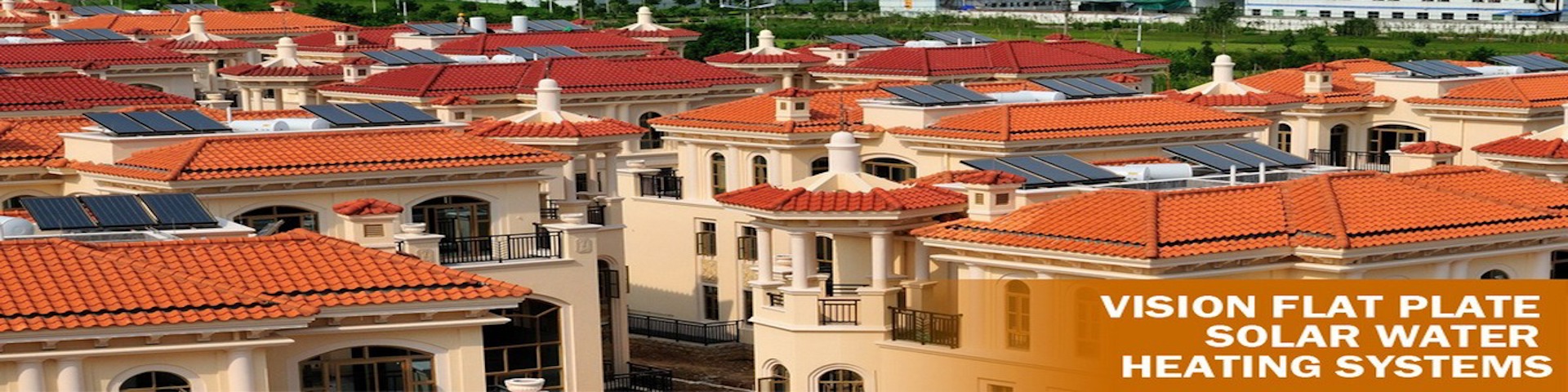
Солнечные нагреватели — это устройства, которые используют энергию солнца для нагрева воды или воздуха в жилых и коммерческих зданиях. Основной принцип заключается в преобразовании солнечного излучения в тепловую энергию через коллекторы, обычно установленные на крышах или в других солнечных местах. Коллекторы поглощают солнечные лучи и передают тепло жидкости (часто воде или антифризу), которая затем циркулирует через систему, нагревая воду в баке-накопителе или обеспечивая отопление помещений.
Существует несколько типов солнечных нагревателей, включая плоские коллекторы, вакуумные трубчатые коллекторы и интегрированные системы. Плоские коллекторы просты и надежны, состоящие из абсорбционной пластины, покрытой селективным покрытием для максимизации поглощения тепла. Вакуумные трубчатые коллекторы более эффективны в холодном климате, так как вакуумная изоляция снижает теплопотери. Интегрированные системы, такие как термосифонные, используют естественную конвекцию для циркуляции жидкости, что делает их энергонезависимыми.
Эффективность солнечных нагревателей зависит от множества факторов: географического расположения, угла наклона коллекторов, времени года и погодных условий. В среднем, современные системы могут обеспечивать до 70-80% потребностей в горячей воде для typical household, significantly reducing reliance on fossil fuels. For example, in sunny regions like southern Russia, solar heaters can cover almost all hot water needs during summer months, while in winter, они may require backup from conventional sources.
Технологический прогресс сделал солнечные нагреватели более доступными и efficient. Innovations like smart controllers optimize performance by adjusting flow rates based on solar intensity, and materials with higher thermal conductivity improve heat transfer. Additionally, integration with existing heating systems allows for seamless operation, ensuring comfort even on cloudy days.
Эффективность является ключевым параметром при оценке солнечных нагревателей. Она измеряется как отношение полезной тепловой энергии, произведенной системой, к солнечной энергии, падающей на коллекторы. Современные системы достигают эффективности 50-60% under ideal conditions, with vacuum tube collectors often outperforming flat plate types due to better insulation.
Studies show that a typical solar water heating system can save between 50% and 80% of the energy required for water heating annually. For instance, in a household with average consumption of 200 liters of hot water per day, a solar heater can reduce electricity or gas usage by approximately 1500-2000 kWh per year, translating to significant cost savings. In terms of carbon footprint, this equates to a reduction of 1-2 tons of CO2 emissions annually, contributing positively to climate change mitigation.
Эффективность также зависит от proper installation and maintenance. Regular cleaning of collectors to remove dust and debris, checking for leaks, and ensuring adequate insulation of pipes are crucial for optimal performance. In regions with high solar insolation, such as the Caucasus or southern parts of Russia, systems can operate at peak efficiency for most of the year, while in northern areas, they may be less effective but still valuable as supplemental sources.
Comparative analysis with other renewable energy systems, like photovoltaic panels, highlights that solar thermal systems are often more efficient for heating applications because they directly convert sunlight to heat without intermediate steps. However, their effectiveness diminishes in very cold or cloudy conditions, underscoring the importance of hybrid systems that combine solar with traditional heating.
Одним из самых compelling aspects of solar heaters is their ability to save energy and money. By harnessing free solar energy, these systems drastically cut down on utility bills. Initial investment costs vary but typically range from 50,000 to 150,000 rubles for a residential system, depending on size and technology. However, payback periods are often short, ranging from 5 to 10 years, after which the savings become pure profit.
For example, if a household spends 10,000 rubles monthly on gas or electricity for water heating, a solar heater could reduce that bill by 60%, saving 6,000 rubles per month. Over a year, that's 72,000 rubles saved. With government incentives and subsidies available in many regions, such as tax credits or grants, the upfront cost can be further reduced, making solar heaters an attractive investment.
Beyond individual savings, solar heaters contribute to national energy security by reducing dependence on imported fuels. In Russia, where energy prices can fluctuate, investing in solar technology provides stability and long-term benefits. Additionally, as energy costs continue to rise globally, the economic advantage of solar heaters only increases over time.
Case studies from around the world demonstrate substantial savings. In countries like Germany and China, widespread adoption of solar heating has led to billions in energy savings and reduced infrastructure strain. In Russia, pilot projects in cities like Sochi have shown similar results, with residents reporting lower bills and increased energy independence.
Солнечные нагреватели играют vital role in environmental conservation. By replacing fossil fuel-based heating, they reduce greenhouse gas emissions, air pollution, and resource depletion. Each solar heater installed prevents the burning of hundreds of kilograms of coal or gas annually, directly combating climate change.
The production and disposal of solar heaters have minimal environmental impact compared to continuous emissions from conventional systems. Moreover, solar energy is renewable and abundant, ensuring sustainable operation without depleting natural resources. This aligns with global efforts like the Paris Agreement, where countries commit to reducing carbon footprints.
In urban areas, reduced emissions from heating contribute to better air quality, decreasing respiratory illnesses and improving public health. Solar heaters also lessen the load on power grids, especially during peak demand periods, preventing blackouts and promoting energy resilience.
Educational initiatives and policy support are essential to maximize these benefits. Governments and organizations should promote solar heating through awareness campaigns and regulations that encourage green building practices. By choosing solar, individuals not only save money but also become active participants in preserving the environment for future generations.
The field of solar heating is rapidly evolving, with advancements that enhance efficiency, durability, and user-friendliness. Smart technologies, such as IoT-enabled controllers, allow remote monitoring and optimization of system performance via smartphones. These controllers adjust parameters in real-time based on weather forecasts and usage patterns, maximizing energy harvest.
New materials, like nanomaterials and advanced coatings, improve heat absorption and retention. For instance, selective surfaces that absorb more sunlight while emitting less infrared radiation are becoming standard. Integration with heat pumps and storage systems enables round-the-clock heating, even without direct sunlight.
Innovations in design include building-integrated photovoltaics and thermal (BIPVT) systems, which combine electricity generation with heating, offering a comprehensive energy solution. These systems are particularly useful in multifamily buildings or commercial properties, where space is limited but energy demands are high.
Research is ongoing to develop more affordable and efficient systems. For example, phase-change materials (PCMs) that store latent heat can extend heating into nighttime hours. As technology progresses, solar heaters are expected to become even more accessible and effective, driving widespread adoption.
To reap the full benefits of solar heaters, proper installation and maintenance are crucial. Start by consulting with professionals to assess your site's solar potential—factors like roof orientation, shading, and local climate should be considered. Ideally, collectors should face south in the Northern Hemisphere at an angle equal to the latitude for optimal sun exposure.
Choose a system that matches your needs: for hot water only, a simple thermosiphon system might suffice, while for whole-house heating, a more complex forced-circulation system with storage is recommended. Ensure that all components, including pumps, controllers, and insulation, are of high quality to avoid inefficiencies.
Regular maintenance involves cleaning collectors every few months, checking for corrosion or damage, and monitoring fluid levels. In winter,采取措施防止 замерзания, such as using antifreeze or draining the system if not in use. Many modern systems come with warranties and support services, making upkeep easier.
Finally, educate yourself on local regulations and incentives. In Russia, programs like the "Energy Efficiency" initiative offer subsidies for renewable energy installations. By following these tips, you can ensure that your solar heater operates efficiently for years, providing reliable savings and environmental benefits.
В заключение, солнечные нагреватели представляют собой мощный инструмент для повышения эффективности, экономии энергии и защиты окружающей среды. С развитием технологий и growing awareness, их adoption will continue to rise, transforming how we heat our homes and water. By investing in solar, you not only secure financial savings but also contribute to a sustainable future.
Embrace this green technology today—start by researching local providers, calculating potential savings, and taking the first step towards energy independence. The sun is a free and abundant resource; harnessing its power through solar heaters is a smart, responsible choice for individuals and society alike.
Предыдущая страница: Солнечная энергия черное хромирование инновация в энергосбережении
Следующая страница: Солнечная синяя титановая пленка революция в энергетике сейчас
[Вернуться к списку]