
Консультационный телефон
1388xx888xx
1388xx888xx
TIME: 2025-12-06
В современном мире, где энергетические ресурсы становятся все более дефицитными, а экологические проблемы нарастают, солнечные нагреватели представляют собой революционное решение, способное изменить наш подход к отоплению. Эти устройства не только обеспечивают надежное и эффективное тепло, но и служат десятилетиями практически без поломок, предлагая беспрецедентную экономию и экологическую устойчивость. В этой статье мы подробно рассмотрим, почему солнечные нагреватели являются идеальным выбором для долгосрочного использования, их преимущества, механизмы работы, и как они могут преобразить вашу жизнь.
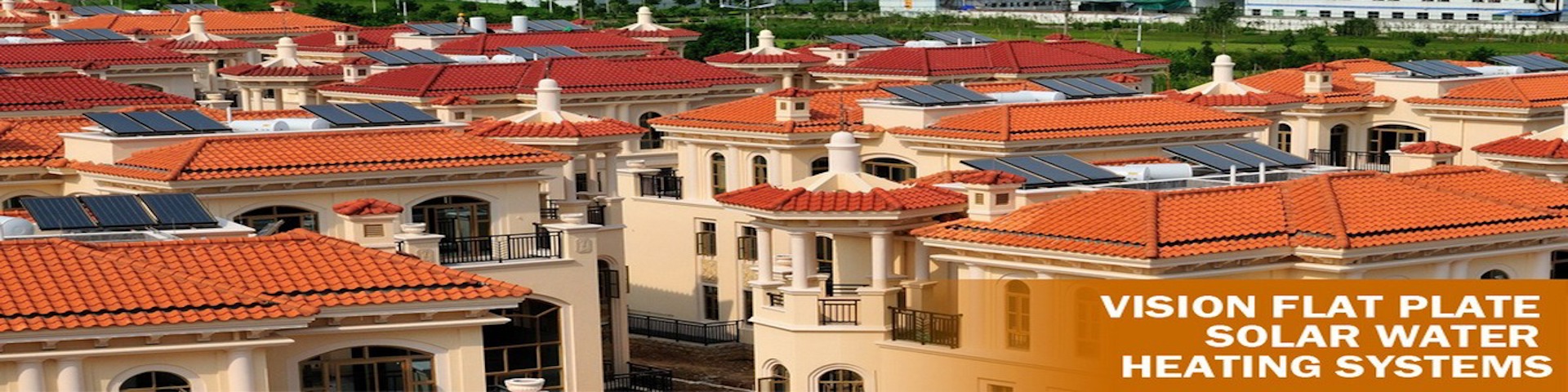
Солнечные нагреватели, также известные как солнечные тепловые системы, используют энергию солнца для нагрева воды или воздуха в жилых и коммерческих зданиях. Они состоят из коллекторов, которые поглощают солнечное излучение, и системы труб или каналов, которые передают тепло в помещение или для бытовых нужд. В отличие от традиционных систем отопления, таких как газовые или электрические котлы, солнечные нагреватели не требуют постоянного потребления ископаемого топлива, что делает их не только экономичными, но и экологически чистыми.
История солнечных нагревателей насчитывает десятилетия, начиная с простых конструкций в древних цивилизациях, которые использовали солнечное тепло для обогрева домов. Однако современные технологии значительно усовершенствовали эти системы, сделав их высокоэффективными и надежными. Сегодня солнечные нагреватели могут обеспечивать до 80% потребностей в отоплении и горячей воде для среднего домохозяйства, особенно в регионах с высоким уровнем солнечной инсоляции.
Преимущества солнечных нагревателей не ограничиваются лишь экономией денег. Они также способствуют снижению выбросов углекислого газа, что критически важно для борьбы с изменением климата. По данным Международного энергетического агентства, широкое внедрение солнечных тепловых систем могло бы сократить глобальные выбросы CO2 на миллионы тонн ежегодно. Это делает их не просто личным выбором, а частью глобального решения для устойчивого развития.
Одним из ключевых преимуществ солнечных нагревателей является их исключительная долговечность. В отличие от многих других систем отопления, которые требуют регулярного обслуживания и часто выходят из строя через несколько лет, солнечные нагреватели спроектированы для работы десятилетиями с минимальным вмешательством. Это обусловлено несколькими факторами, включая простоту конструкции, использование прочных материалов и отсутствие сложных движущихся частей.
Во-первых, солнечные нагреватели обычно состоят из коллекторов, изготовленных из материалов, устойчивых к коррозии и ультрафиолетовому излучению, таких как нержавеющая сталь, медь или алюминий. Эти материалы не только долговечны, но и эффективно передают тепло, обеспечивая стабильную работу системы. Например, медные трубки в коллекторах могут служить более 30 лет без значительной деградации, что подтверждается исследованиями и реальными примерами использования.
Во-вторых, отсутствие сложных механических компонентов, таких как двигатели или насосы (в пассивных системах), значительно снижает риск поломок. Даже в активных системах, где используются насосы для циркуляции теплоносителя, эти компоненты обычно просты и надежны, с сроком службы, превышающим 20 лет. Кроме того, современные системы оснащены интеллектуальными контроллерами, которые мониторят работу и предотвращают перегрузки, further extending their lifespan.
Реальные примеры из жизни демонстрируют эту долговечность. В странах с развитой солнечной энергетикой, таких как Германия или Испания, многие солнечные нагреватели, установленные в 1980-х годах, до сих пор функционируют без существенных проблем. Пользователи сообщают о значительной экономии на счетах за отопление и минимальных расходах на обслуживание. Это делает солнечные нагреватели не только экологичным, но и экономически выгодным вложением в долгосрочной перспективе.
Переход на солнечные нагреватели может привести к substantial экономии средств over time. Хотя первоначальные затраты на установку могут быть выше, чем у традиционных систем, долгосрочная экономия на энергетических расходах компенсирует эти инвестиции в течение нескольких лет. В среднем, солнечный нагреватель может окупиться за 5-10 лет, после чего он продолжает генерировать бесплатное тепло, essentially paying for itself.
Рассмотрим пример: для typical домохозяйства в России, где отопление составляет значительную часть энергетических расходов, установка солнечного нагревателя может сократить счета за газ или электричество на 50-70%. Это означает, что при средних годовых затратах на отопление в 50,000 рублей, экономия может составить 25,000-35,000 рублей annually. За 20 лет службы система сэкономит 500,000-700,000 рублей, что значительно превышает initial investment.
Кроме того, многие правительства и местные authorities предлагают incentives для установки солнечных систем, such as tax credits, subsidies, or low-interest loans. These programs further reduce the upfront costs and accelerate the payback period. For instance, in the European Union, the Renewable Energy Directive promotes the use of solar thermal systems through financial support, making them even more accessible to households.
Another economic aspect is the increase in property value. Homes equipped with solar heating systems are often more attractive to buyers, as they promise lower utility bills and a smaller environmental footprint. Studies show that properties with solar installations can see a value increase of up to 5-10%, adding another layer of financial benefit.
Солнечные нагреватели играют crucial role in promoting environmental sustainability. By harnessing renewable energy from the sun, they reduce reliance on fossil fuels, which are major contributors to greenhouse gas emissions and air pollution. The environmental benefits are multifaceted and extend beyond mere energy savings.
First, solar heaters help mitigate climate change by cutting CO2 emissions. For example, a typical solar thermal system can prevent the release of 1-2 tons of CO2 per year compared to a gas-powered heater. Over its lifetime, this adds up to 20-40 tons of avoided emissions, equivalent to planting hundreds of trees or taking several cars off the road. This contribution is vital for meeting global climate goals, such as those outlined in the Paris Agreement.
Second, solar energy is abundant and inexhaustible, unlike finite resources like coal or natural gas. By tapping into this clean source, we reduce the environmental degradation associated with mining, drilling, and transportation of fossil fuels. This includes less habitat destruction, water pollution, and resource depletion, leading to a healthier planet for future generations.
Moreover, solar heaters support energy independence and security. Countries that rely heavily on imported energy can benefit from domestic solar resources, reducing geopolitical risks and price volatility. This not only stabilizes energy costs but also fosters local economic development through job creation in the renewable energy sector.
The field of solar heating has seen significant technological advancements over the years, making systems more efficient, affordable, and user-friendly. Innovations in materials, design, and integration have pushed the boundaries of what solar heaters can achieve.
One key innovation is the development of evacuated tube collectors, which offer higher efficiency than traditional flat-plate collectors, especially in colder climates. These tubes vacuum-seal the absorbing surface, minimizing heat loss and allowing operation even in sub-zero temperatures. This has expanded the applicability of solar heaters to regions with less sunshine, such as Northern Europe or parts of Russia.
Another advancement is the integration of smart technology. Modern solar heaters often come with digital controllers that optimize performance based on weather conditions and user patterns. For example, systems can pre-heat water during sunny periods or switch to backup sources when needed, ensuring consistent comfort without waste. Some models even connect to home automation systems, allowing remote monitoring and control via smartphones.
Research is also ongoing in hybrid systems that combine solar thermal with other renewable sources, such as heat pumps or biomass, to provide year-round heating solutions. These innovations make solar heaters not only more reliable but also more versatile, catering to diverse needs and environments.
Choosing and installing a solar heater requires careful consideration to maximize benefits. Here are some practical tips for potential users.
First, assess your energy needs. Calculate the amount of hot water or heating required for your household. This will help determine the size and type of system needed. For instance, a family of four might need a system with 4-6 square meters of collector area for domestic hot water, while larger systems are needed for space heating.
Second, consider the climate and location. Solar heaters perform best in sunny areas, but even in less ideal conditions, they can be effective with the right technology. Consult with professionals to evaluate solar potential based on local weather data and shading factors.
Third, choose a reputable installer. Proper installation is critical for performance and longevity. Look for certified technicians with experience in solar thermal systems. They can ensure that the system is oriented correctly (typically south-facing in the Northern Hemisphere) and integrated seamlessly with existing plumbing or heating systems.
Finally, explore financing options. Take advantage of government incentives, grants, or loans to reduce upfront costs. Many regions offer programs that make solar heaters more affordable, so research local opportunities before making a decision.
To illustrate the benefits, let's look at some real-life success stories from around the world.
In Spain, a family in Valencia installed a solar heater in 2010. Despite initial skepticism, they have enjoyed over a decade of reliable heating with near-zero maintenance costs. Their energy bills dropped by 60%, and they estimate savings of over 15,000 euros to date. The system has required only minor adjustments, proving its durability.
In Russia, a school in Krasnodar adopted solar heating for its classrooms. Since installation in 2015, the system has provided consistent warmth during winter months, reducing reliance on expensive electric heaters. The school reports annual savings of 200,000 rubles and positive feedback from students and staff on the improved comfort.
These examples show that solar heaters are not just theoretical concepts but practical solutions that deliver tangible results across different contexts.
В заключение, солнечные нагреватели представляют собой надежное, экономичное и экологичное решение для отопления, способное служить десятилетиями без поломок. Их долговечность, combined with significant savings and environmental benefits, makes them an ideal choice for anyone looking to reduce their carbon footprint and energy costs.
As technology continues to advance, solar heaters will become even more efficient and accessible, playing a key role in the global transition to renewable energy. By investing in a solar heater today, you are not only securing a sustainable future for yourself but also contributing to a healthier planet for generations to come.
Take the step towards energy independence—explore solar heating options and join the movement towards a cleaner, greener world. The sun is waiting to power your home for decades to come.
Предыдущая страница: Солнечный нагрев воды для вашей ванны всегда доступен
Следующая страница: ПРЕВРАЩАЙТЕ СОЛНЕЧНУЮ ЭНЕРГИЮ В ГОРЯЧИЕ БЛЮДА СЕГОДНЯ
[Вернуться к списку]