
Консультационный телефон
1388xx888xx
1388xx888xx
TIME: 2025-12-05
В современном мире, где изменение климата и истощение ресурсов становятся все более актуальными проблемами, переход на экологически чистые источники энергии является не просто тенденцией, а необходимостью. Одним из наиболее перспективных и доступных решений является использование солнечной энергии для отопления. Эта технология не только снижает выбросы углекислого газа, но и предоставляет значительную экономическую выгоду. В этой статье мы глубоко погрузимся в тему экологического отопления с солнечной энергией, рассмотрев его основы, преимущества, технологии, установку и многое другое. Если вы задумываетесь о том, как сделать свой дом более устойчивым и экономичным, это руководство для вас.
Солнечное отопление – это система, которая использует энергию солнца для обогрева помещений и воды. В отличие от традиционных методов, таких как газовые или электрические котлы, оно основывается на возобновляемом ресурсе, который доступен практически везде. История солнечного отопления насчитывает десятилетия, но только в последние годы, с развитием технологий и ростом осведомленности об экологических проблемах, оно стало массово применяться. По данным Международного энергетического агентства, использование солнечной энергии для отопления может сократить выбросы CO2 на 50% по сравнению с ископаемыми топливами. Это делает его ключевым элементом в борьбе с глобальным потеплением.
Основной принцип прост: солнечные коллекторы поглощают солнечное излучение и преобразуют его в тепло, которое затем передается в систему отопления или горячего водоснабжения. Это может быть реализовано через активные системы с насосами и контроллерами или пассивные системы, которые используют естественную циркуляцию. Внедрение таких систем не требует радикальных изменений в инфраструктуре, что делает их привлекательными для широкого круга пользователей – от частных домов до крупных коммерческих зданий.
Важно отметить, что солнечное отопление не полностью заменяет традиционные системы, особенно в регионах с малым количеством солнечных дней. Однако, в сочетании с другими технологиями, такими как тепловые насосы или аккумуляторы тепла, оно может обеспечить до 80% потребностей в отоплении. Это демонстрирует его гибкость и эффективность. В следующих разделах мы подробнее рассмотрим, как это работает и почему стоит инвестировать в эту технологию.
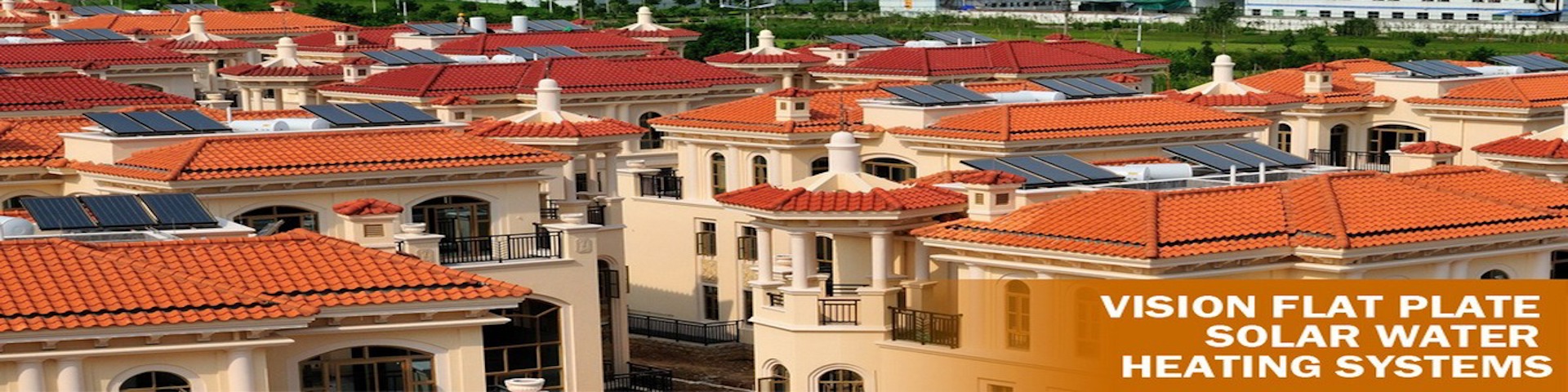
Чтобы понять преимущества солнечного отопления, необходимо разобраться в его работе. Процесс начинается с солнечных коллекторов, которые устанавливаются на крышах или открытых площадках. Эти коллекторы бывают двух основных типов: плоские и вакуумные. Плоские коллекторы состоят из поглощающей пластины, покрытой селективным покрытием для максимального поглощения тепла, и изоляционного слоя для减少 потерь. Вакуумные коллекторы используют вакуумные трубки, которые минимизируют теплопотери и эффективны даже в холодную погоду.
Солнечное излучение поглощается коллектором и нагревает теплоноситель – обычно воду или антифриз. Этот нагретый fluid затем циркулирует через систему с помощью насоса (в активных системах) или естественной конвекции (в пассивных системах). Тепло передается в бак-аккумулятор или непосредственно в систему отопления, например, через радиаторы или теплые полы. Для оптимизации процесса часто используются контроллеры, которые автоматически управляют насосами based on temperature sensors, ensuring efficiency.
Ключевым аспектом является интеграция с существующими системами. Солнечное отопление может быть подключено к стандартным boiler systems, acting as a pre-heater to reduce the load on conventional heaters. This not only saves energy but also extends the lifespan of traditional equipment. Additionally, thermal storage systems allow excess heat to be stored for use during nighttime or cloudy days, enhancing reliability. The efficiency of solar thermal systems typically ranges from 50% to 70%, depending on design and climate conditions, making them a viable option for most regions.
Innovations in materials, such as improved absorbers and insulation, continue to boost performance. For instance, nanotechnology-based coatings can increase absorption rates, while smart grids enable better energy management. Understanding these principles helps in making informed decisions about installation and usage, which we will explore further in the installation section.
Переход на солнечное отопление oferece множество преимуществ, которые можно разделить на экологические, экономические и социальные. Во-первых, экологический аспект: солнечная энергия является чистой и возобновляемой, что значительно сокращает углеродный след. По оценкам, typical household solar heating system can prevent the emission of 1-2 tons of CO2 annually compared to fossil fuels. This contributes to mitigating climate change and improving air quality, reducing health risks associated with pollution.
Экономические выгоды также substantial. Хотя первоначальные инвестиции могут быть высокими (обычно от 100,000 до 500,000 рублей для среднего дома), долгосрочная экономия на счетах за энергию окупает затраты within 5-10 years. In many countries, government incentives, such as tax credits or subsidies, further reduce the cost. Additionally, solar heating systems have low maintenance costs and can increase property value, making them a smart financial investment.
Социальные преимущества include energy independence and reliability. By relying on a local resource like the sun, households reduce their dependence on unstable energy markets and grid outages. This is particularly valuable in remote areas or during energy crises. Moreover, the adoption of green technologies fosters job creation in the renewable energy sector, supporting sustainable economic growth.
It's worth noting that solar heating is versatile and can be scaled from small residential setups to large industrial applications. For example, district heating systems powered by solar energy are becoming popular in Europe, providing heat to entire communities. This scalability ensures that benefits are accessible to a wide range of users, promoting inclusivity in the transition to sustainability.
Существует несколько типов систем солнечного отопления, каждая с своими особенностями и применениями. Наиболее common are active and passive systems. Active systems use pumps and controllers to circulate heat transfer fluid, offering higher efficiency and control. They are ideal for regions with variable weather conditions. Within active systems, there are direct and indirect types: direct systems circulate water directly through collectors, suitable for frost-free climates, while indirect systems use a heat exchanger to prevent freezing, making them better for colder areas.
Passive systems rely on natural convection and require no mechanical components, making them simpler and cheaper to install. Examples include thermosiphon systems, where heated water rises naturally to a storage tank. These are often used for domestic hot water but can be adapted for space heating. However, their efficiency is lower compared to active systems, especially in less sunny regions.
Another categorization is based on the heat distribution method: air-based systems use fans to circulate heated air, while liquid-based systems use water or antifreeze. Air systems are easier to maintain but less efficient for storage, whereas liquid systems are more common due to better heat retention. Additionally, integrated collector storage (ICS) systems combine collection and storage in one unit, reducing complexity but可能 limiting performance in cold weather.
Emerging technologies include photovoltaic-thermal (PVT) systems, which generate electricity and heat simultaneously, maximizing energy harvest. These are particularly useful for buildings with limited space. Choosing the right type depends on factors like climate, budget, and energy needs. Consulting with professionals can help tailor the system to specific requirements, ensuring optimal performance.
A typical solar heating system consists of several key components that work together to capture, transfer, and store heat. The solar collector is the heart of the system, available in flat-plate or evacuated tube designs. Flat-plate collectors are durable and cost-effective, with an efficiency of around 50-60%. Evacuated tube collectors offer higher efficiency (up to 70%) due to vacuum insulation, making them suitable for colder climates but at a higher cost.
The heat transfer fluid, usually water or a glycol mixture, carries heat from the collector to the storage unit. Pumps and controllers regulate the flow, activating when the collector temperature exceeds that of the storage tank. Storage tanks are insulated to minimize heat loss and can range from small domestic units to large underground reservoirs for seasonal storage.
Heat exchangers transfer heat from the fluid to the domestic water or heating system without mixing fluids, preventing contamination. Backup systems, such as gas or electric heaters, are often integrated to ensure reliability during periods of low solar insolation. Monitoring equipment, like sensors and displays, allows users to track performance and optimize usage.
Additional components include piping, insulation, and mounting structures. Proper installation of these parts is crucial for efficiency and longevity. For example, collectors should be oriented towards the south (in the Northern Hemisphere) at an angle equal to the latitude for maximum sun exposure. Regular maintenance, such as cleaning collectors and checking fluid levels, ensures sustained performance over the system's lifespan of 20-30 years.
Установка системы солнечного отопления requires careful planning and professional expertise. The process begins with a site assessment to evaluate solar access, shading, and structural integrity. Tools like solar pathfinders or software simulations help determine the optimal placement of collectors. Ideally, collectors should face true south with minimal obstruction from trees or buildings.
Next, the system design is tailored to the building's energy needs. This involves calculating the required collector area based on factors like insulation levels, climate, and hot water demand. For example, a typical home might need 2-4 square meters of collector area per person for hot water heating. The storage tank size is also determined to match daily usage patterns.
Installation involves mounting collectors on the roof or ground using sturdy racks, connecting piping to the heat exchanger and storage tank, and integrating electrical components for pumps and controllers. It's essential to ensure all connections are leak-proof and well-insulated to prevent heat loss. In colder regions, freeze protection measures, such as drain-back systems or antifreeze, are critical.
After installation, system commissioning includes testing for leaks, calibrating controllers, and verifying performance. Homeowners should receive training on operation and maintenance. While DIY kits are available, professional installation is recommended to avoid issues and maximize efficiency. Costs vary widely but often include permits and inspections, which are necessary for compliance with local building codes.
Investing in solar heating is not just environmentally sound but also economically smart. The initial cost includes equipment, installation, and possible upgrades to existing systems. On average, a residential system costs between 100,000 and 500,000 rubles, depending on size and technology. However, operating costs are low, with savings on energy bills ranging from 50% to 80% annually.
The payback period is typically 5-10 years, after which the system provides free heat for its remaining lifespan. Government incentives, such as rebates or feed-in tariffs, can shorten this period. For instance, in Russia, programs like the "Energy Efficiency" initiative offer subsidies for renewable energy installations. Additionally, increased property value and protection against rising energy prices add to the financial benefits.
Lifecycle cost analysis shows that solar heating is cheaper than conventional systems over time. Maintenance costs are minimal, involving occasional cleaning and fluid checks. Comparing with fossil fuels, which are subject to price volatility, solar energy offers stability and predictability. Case studies from Europe demonstrate that households can save thousands of rubles per year, making it a worthwhile investment for long-term savings.
For businesses, solar heating can reduce operational costs and enhance corporate social responsibility profiles. Large-scale implementations, such as in hotels or factories, achieve even faster payback due to economies of scale. Financing options, like loans or leasing, make adoption accessible without upfront capital, further improving economic viability.
When comparing solar heating to traditional systems like gas, oil, or electric boilers, several factors come into play. Environmental impact is the most significant difference: solar systems produce zero emissions during operation, whereas fossil fuel systems release CO2, contributing to climate change. For example, a gas boiler emits approximately 2.5 kg of CO2 per kWh of heat, while solar emits none.
Cost-wise, traditional systems have lower upfront costs but higher operating expenses due to fuel purchases. Over 20 years, the total cost of ownership for solar heating is often lower, especially as energy prices rise. Reliability varies; traditional systems provide consistent heat regardless of weather, but solar systems require backup for cloudy days. However, with proper design, solar can cover most needs, reducing dependency on external energy sources.
Efficiency comparisons show that modern solar collectors can achieve 50-70% efficiency, compared to 80-95% for condensing gas boilers. But since solar energy is free, the lower efficiency is offset by zero fuel costs. Maintenance for solar systems is simpler, with fewer moving parts and no combustion-related issues like soot or corrosion.
Integration is key: hybrid systems that combine solar with heat pumps or biomass boilers offer the best of both worlds, ensuring reliability while maximizing renewable energy use. Ultimately, the choice depends on local conditions, but solar heating is increasingly competitive and preferable for those seeking sustainability.
Real-world examples highlight the effectiveness of solar heating. In Germany, the Solar Settlement in Freiburg uses solar thermal systems for district heating, providing 80% of annual heat demand for residents. This project reduces CO2 emissions by over 500 tons per year and has inspired similar initiatives across Europe.
In Russia, the city of Krasnodar has seen growing adoption in residential areas, with systems reducing heating bills by 60% on average. One case study involves a family home equipped with evacuated tube collectors and a heat pump backup, achieving energy independence for most of the year. Testimonials from users praise the comfort and savings.
Commercial applications include hotels in Sochi that use solar heating for pools and rooms, cutting energy costs and attracting eco-conscious tourists. Industries like agriculture utilize solar air heating for greenhouses, extending growing seasons without fossil fuels. These examples demonstrate versatility and scalability, proving that solar heating is viable in various contexts.
Lessons learned emphasize the importance of proper sizing and maintenance. Successful projects often involve community engagement and support from local governments, highlighting the role of policy in promoting adoption. As technology advances,更多 innovative implementations are expected, further driving the transition to sustainable heating.
The future of solar heating is bright, with ongoing innovations aimed at improving efficiency, reducing costs, and enhancing integration. One trend is the development of hybrid systems that combine solar thermal with photovoltaic panels, allowing simultaneous generation of heat and electricity. These systems, known as PVT, maximize energy harvest from limited roof space.
Advancements in materials science are leading to more efficient collectors. For instance, perovskite-based absorbers promise higher conversion rates at lower costs. Smart technology integration, using IoT sensors and AI, enables predictive maintenance and optimized energy management based on weather forecasts and usage patterns.
Seasonal thermal storage is another emerging area, where excess summer heat is stored underground for winter use. Projects in Scandinavia use large water pits or borehole storage, achieving near-100% solar fraction for annual heating. This could revolutionize solar heating in colder climates.
Policy support is crucial; governments worldwide are setting ambitious renewable energy targets, incentivizing adoption through regulations and funding. As public awareness grows, demand for solar heating is expected to surge, driving down costs through economies of scale. The integration with smart grids and electric vehicles will create holistic energy ecosystems, making solar heating a cornerstone of sustainable living.
If you're considering solar heating, start with an energy audit of your home to identify inefficiencies. Improving insulation and sealing drafts can enhance the performance of any heating system. Then, assess your solar potential using online tools or consult a professional for a detailed analysis.
Choose a system based on your climate and needs. For hot water primarily, a thermosiphon system might suffice; for whole-house heating, an active system with backup is better. Budget for initial costs but explore incentives – check local programs for subsidies or tax breaks.
Maintenance is straightforward: clean collectors periodically to remove dust and debris, check fluid levels annually, and inspect for leaks. Monitor performance through built-in displays or apps to ensure optimal operation. If issues arise, contact a certified technician for repairs.
Finally, share your experience with others to promote adoption. Community initiatives can lead to group discounts and shared knowledge, accelerating the shift to renewable energy. Remember, every small step contributes to a larger impact on the environment.
Экологическое отопление с солнечной энергией представляет собой мощное решение для устойчивого будущего. Оно сочетает в себе экологические benefits, economic savings, and social advantages, making it an attractive option for homeowners and businesses alike. While challenges like initial costs and weather dependence exist, advancements in technology and supportive policies are overcoming these barriers.
By adopting solar heating, we not only reduce our carbon footprint but also gain energy independence and financial stability. The examples and trends discussed show that this is not a niche technology but a mainstream choice for the 21st century. I encourage you to explore solar heating for your needs – consult experts, calculate potential savings, and take the step towards a greener, more comfortable home.
Together, we can harness the power of the sun to create a warmer, cleaner world for generations to come. Thank you for reading, and feel free to reach out with questions or share your thoughts in the comments below.
Предыдущая страница: ПРЕВРАЩАЙТЕ СОЛНЕЧНУЮ ЭНЕРГИЮ В ГОРЯЧИЕ БЛЮДА СЕГОДНЯ
Следующая страница: Солнечные технологии для долговечной антикоррозионной защиты
[Вернуться к списку]