
Консультационный телефон
1388xx888xx
1388xx888xx
TIME: 2025-11-30
В современном мире, где вопросы экологии и энергоэффективности становятся все более актуальными, солнечные нагреватели представляют собой перспективную технологию для отопления и горячего водоснабжения. Эти системы используют энергию солнца, что делает их не только экологически чистыми, но и экономически выгодными в долгосрочной перспективе. На рынке сегодня доступно множество типов солнечных нагревателей, каждый из которых имеет свои особенности, преимущества и области применения. В этой статье мы подробно рассмотрим эти типы, их принципы работы, а также факторы, которые следует учитывать при выборе подходящей системы для ваших нужд.
Солнечные нагреватели — это устройства, которые преобразуют солнечную энергию в тепловую для нагрева воды или воздуха. Они являются частью более широкой категории солнечных тепловых систем и играют ключевую роль в снижении зависимости от ископаемых видов топлива. Использование солнечных нагревателей не только сокращает выбросы углекислого газа, но и позволяет существенно экономить на счетах за энергию. По данным Международного энергетического агентства, солнечные тепловые системы могут покрыть до 60-70% потребностей в горячей воде для бытовых нужд в регионах с умеренным климатом.
История солнечных нагревателей насчитывает более века. Первые простые системы появились в конце XIX века, но настоящий расцвет технологии пришелся на 1970-е годы, когда нефтяные кризисы стимулировали поиск альтернативных источников энергии. С тех пор технологии значительно усовершенствовались: повысилась эффективность, снизилась стоимость, и появились новые материалы, такие как селективные покрытия и вакуумные трубки.
Основные компоненты солнечного нагревателя включают коллектор (который поглощает солнечное излучение), теплоноситель (обычно вода или антифриз), накопительный бак и систему управления. Принцип работы прост: коллектор нагревается под воздействием солнца, передает тепло теплоносителю, который затем циркулирует через теплообменник в накопительном баке, нагревая воду для использования.
Преимущества солнечных нагревателей очевидны: они используют бесплатный и возобновляемый источник энергии, уменьшают углеродный след, и имеют низкие эксплуатационные расходы. Однако есть и недостатки, такие как зависимость от погодных условий и высокая начальная стоимость установки. Несмотря на это, с развитием технологий и государственных субсидий, солнечные нагреватели становятся все более доступными и популярными во всем мире.
В этой статье мы углубимся в детали различных типов солнечных нагревателей, доступных на рынке. Мы рассмотрим плоские коллекторы, вакуумные трубчатые коллекторы, интегрированные коллектор-накопительные системы, воздушные коллекторы, концентрирующие системы, а также гибридные и инновационные решения. Для каждого типа мы обсудим принцип работы, преимущества, недостатки, стоимость, эффективность и примеры применения. Это поможет вам сделать informed decision при выборе системы для вашего дома или бизнеса.
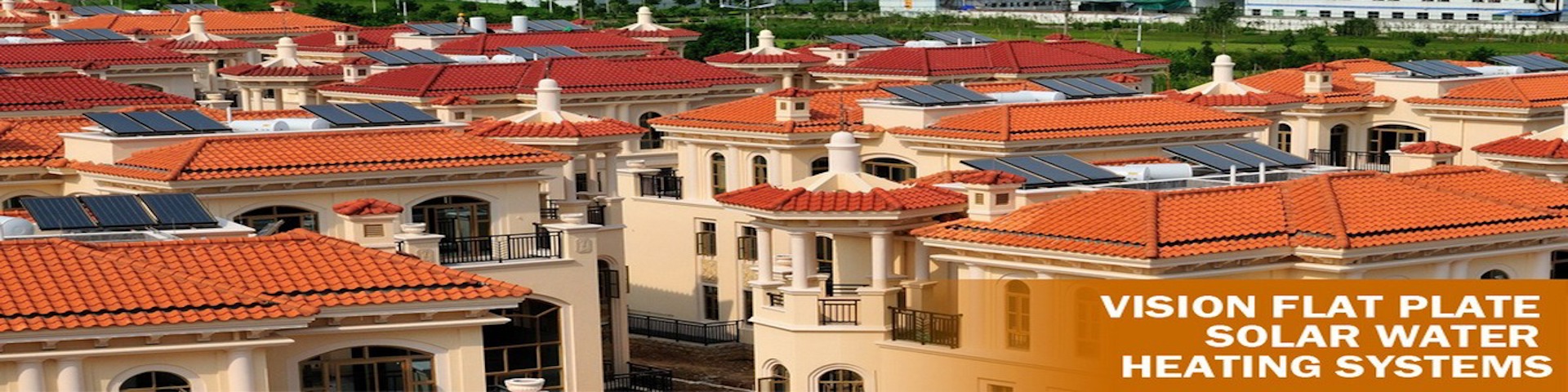
Плоские коллекторы являются одним из самых распространенных и традиционных типов солнечных нагревателей. Они состоят из плоской поглощающей пластины, обычно сделанной из металла с селективным покрытием для максимального поглощения солнечного излучения, прозрачного покрытия (чаще всего стекла) для создания парникового эффекта, изоляции для减少 теплопотерь, и корпуса. Теплоноситель (вода или антифриз) течет через трубки, прикрепленные к поглощающей пластине, и нагревается под воздействием солнца.
Принцип работы плоского коллектора основан на простом поглощении солнечной энергии. Солнечные лучи проходят через прозрачное покрытие и поглощаются пластиной, которая нагревается. Тепло передается теплоносителю, а изоляция и покрытие помогают удерживать heat внутри, minimizing потери в окружающую среду. Эти коллекторы typically имеют КПД около 40-50% в sunny условиях, но их эффективность может снижаться в пасмурную погоду или при низких температурах.
Преимущества плоских коллекторов включают простоту конструкции, надежность, и относительно низкую стоимость по сравнению с другими типами. Они также могут быть integrated into building structures, such as roofs, for a seamless appearance. Однако их недостатком является higher теплопотери в холодную погоду, что makes them less efficient in colder climates. Additionally, они могут быть тяжелыми и require regular maintenance, such as cleaning the glass surface to ensure optimal performance.
Стоимость плоских коллекторов варьируется в зависимости от размера и качества, но в среднем составляет от 100 до 300 долларов за квадратный метр. Установка может add additional costs, but overall, they are one of the most affordable options for residential use. Examples of applications include domestic hot water heating for homes, swimming pool heating, and small-scale commercial systems.
In summary, плоские коллекторы are a solid choice for moderate climates where sunlight is abundant. Они проверены временем и offer a good balance of cost and performance. For those new to solar heating, они often serve as an entry point due to their simplicity and widespread availability.
Вакуумные трубчатые коллекторы represent a more advanced and efficient type of solar heater. Они состоят из ряда glass tubes, each containing an absorber plate and a heat pipe, all enclosed in a vacuum to minimize heat loss. The vacuum acts as excellent insulation, allowing these collectors to achieve higher efficiencies even in cold or cloudy weather.
The principle of operation involves sunlight passing through the glass tube and being absorbed by the absorber plate. The heat is transferred to a heat transfer fluid in the heat pipe, which vaporizes and rises to a manifold at the top of the tube. There, the vapor condenses, releasing heat to a secondary fluid that circulates to the storage tank. This thermosiphon or forced circulation system ensures efficient heat transfer with minimal losses.
Advantages of vacuum tube collectors include high efficiency (up to 70-80% in ideal conditions), excellent performance in low temperatures, and durability due to the robust glass construction. They are also less affected by wind and can operate effectively in diverse climates. However, disadvantages include higher initial cost compared to flat plate collectors, potential fragility of the glass tubes, and more complex installation and maintenance requirements.
Cost for vacuum tube collectors is typically higher, ranging from 200 to 500 dollars per square meter, but their superior performance can lead to faster payback times in energy savings. They are ideal for applications where high temperatures are needed, such as in industrial processes, or in regions with harsh winters. Residential use is also common, especially in colder areas where flat plate collectors might not be sufficient.
In conclusion, vacuum tube collectors offer a premium solution for those seeking maximum efficiency and reliability. While more expensive upfront, their long-term benefits in energy savings and environmental impact make them a worthwhile investment for many users.
Интегрированные коллектор-накопительные системы, также известные как batch systems or breadbox heaters, combine the collector and storage tank into a single unit. This simplicity makes them easy to install and maintain, often at a lower cost. The system typically consists of one or more black tanks placed inside an insulated box with a glass cover. Sunlight heats the tanks directly, and the stored water is used as needed.
The working principle is straightforward: solar radiation passes through the glass, heats the black surface of the tanks, and the water inside absorbs the heat. Insulation helps retain the heat overnight or during cloudy periods. These systems are passive, meaning they rely on natural convection and have no moving parts, which enhances reliability.
Advantages of ICSS include low cost, simplicity, and ease of installation. They are particularly suitable for DIY projects and can be very effective in warm climates. However, disadvantages include lower efficiency compared to other systems, susceptibility to freezing in cold weather (unless drained or anti-freeze measures are taken), and limited capacity due to the integrated design.
Cost for ICSS is generally the lowest among solar heaters, often under 100 dollars per unit for small systems. They are best used for seasonal applications, such as summer cabins or pools, or in regions with mild winters. Their simplicity makes them a great option for beginners or those on a tight budget.
Overall, ICSS provide a basic yet functional approach to solar water heating. While not as efficient as more complex systems, they offer an accessible entry point into renewable energy use.
Воздушные коллекторы use air as the heat transfer medium instead of liquid. They are designed for space heating rather than water heating, making them ideal for reducing heating costs in buildings. The system typically consists of a dark absorber plate, a transparent cover, and a fan to circulate air through the collector and into the building.
Operation involves solar energy heating the absorber plate, which in turn heats the air passing over it. The warmed air is then distributed through ducts to living spaces. These systems can be passive (relying on natural convection) or active (using fans for forced circulation), with active systems being more efficient but requiring electricity.
Advantages of air collectors include simplicity, low risk of freezing or leakage (since air is used), and suitability for integration with existing HVAC systems. They are also generally cheaper than liquid-based systems. Disadvantages include lower heat capacity of air compared to water, which can limit effectiveness, and the need for additional equipment like fans and ducts.
Cost varies but is often competitive, with systems ranging from 50 to 150 dollars per square meter. They are commonly used in residential and commercial buildings for supplemental heating, particularly in sunny but cold climates. Examples include solar air heaters for garages, workshops, or whole-house heating systems.
In summary, air collectors are a niche but valuable option for those focused on space heating. They complement other solar technologies and can significantly reduce reliance on conventional heating methods.
Концентрирующие солнечные коллекторы use mirrors or lenses to focus sunlight onto a small receiver, achieving very high temperatures. These systems are primarily used for industrial applications or large-scale power generation rather than domestic water heating. Types include parabolic troughs, dish systems, and linear Fresnel reflectors.
The principle involves concentrating solar radiation to increase the energy density, allowing for efficient heat generation at temperatures exceeding 100°C. This heat can be used for processes like steam generation or electricity production via heat engines.
Advantages include high efficiency and the ability to produce high-grade heat. However, disadvantages are high cost, complexity, and the need for precise tracking systems to follow the sun, making them less suitable for small-scale applications.
Cost is substantial, often in the thousands of dollars per square meter, but justified for industrial use where high temperatures are required. They are not typically for residential markets but represent the cutting edge of solar thermal technology.
Overall, concentrating collectors are for specialized applications, demonstrating the potential of solar energy beyond basic heating.
Гибридные системы combine solar thermal with other technologies, such as photovoltaic (PV) panels or heat pumps, to maximize energy output. For example, PV-thermal systems generate electricity and heat simultaneously, improving overall efficiency.
Innovations include advanced materials like nanomaterials for better absorption, smart controls for optimized performance, and integration with IoT for remote monitoring. These developments are making solar heaters more efficient, affordable, and user-friendly.
Advantages are enhanced performance and versatility. Disadvantages can include higher complexity and cost. However, as technology advances, these systems are becoming more accessible.
Cost varies widely but is decreasing with mass production. They represent the future of solar heating, offering tailored solutions for diverse needs.
In conclusion, hybrid and innovative systems push the boundaries of what solar heaters can achieve, promising even greater sustainability and efficiency in the years to come.
При выборе солнечного нагревателя consider factors such as climate, energy needs, budget, and available space. Flat plate collectors are good for moderate climates, vacuum tubes for cold areas, ICSS for simplicity, air collectors for space heating, and concentrating systems for industrial use. Hybrid options offer flexibility.
Solar heaters are a key part of the transition to renewable energy. They reduce carbon emissions, save money, and enhance energy independence. With ongoing innovations, their adoption is expected to grow, contributing to a sustainable future.
In summary, the market offers a variety of solar heaters to suit different needs. By understanding the types and their characteristics, you can make an informed choice that benefits both your wallet and the planet.
Предыдущая страница: Как солнечный плоский коллектор изменил энергетику будущего
Следующая страница: Эффективная солнечная система отопления для вашего дома 24/7
[Вернуться к списку]