
Консультационный телефон
1388xx888xx
1388xx888xx
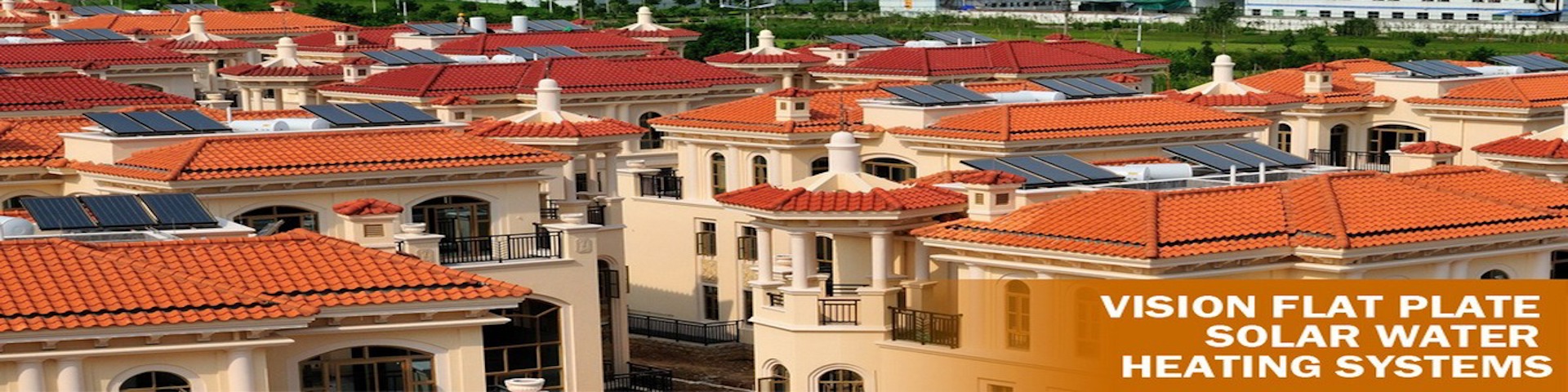
TIME: 2025-11-27
В эпоху глобальных изменений климата и растущих экологических проблем, человечество стоит перед необходимостью пересмотреть свои подходы к энергопотреблению. Одним из наиболее перспективных и устойчивых решений является солнечное отопление — технология, которая не только сокращает выбросы углекислого газа, но и обеспечивает долгосрочную экономическую выгоду. В этой статье мы подробно рассмотрим, почему надежное солнечное отопление представляет собой энергию будущего, доступную уже сегодня, и как оно может трансформировать наши дома и сообщества.
Солнечное отопление — это система, которая использует солнечную энергию для обогрева помещений и воды. В отличие от фотоэлектрических панелей, которые преобразуют солнечный свет непосредственно в электричество, солнечные тепловые коллекторы улавливают тепло солнца и передают его теплоносителю, такому как вода или антифриз, для последующего использования в отоплении или горячем водоснабжении. Эта технология существует уже несколько десятилетий, но благодаря advancements в материалах и инженерии, современные системы стали более эффективными, надежными и доступными.
История солнечного отопления восходит к древним временам, когда люди использовали пассивные solar design, такие как ориентация зданий к солнцу, для естественного обогрева. Однако активные системы, включающие коллекторы и насосы, начали развиваться в 20 веке. Сегодня, с ростом осознания необходимости перехода к возобновляемым источникам энергии, солнечное отопление переживает ренессанс. Оно не только экологично, но и экономически выгодно в долгосрочной перспективе, особенно в регионах с высоким уровнем инсоляции.
В этой статье мы углубимся в различные аспекты солнечного отопления: от основ工作原理 до практических примеров внедрения. Мы обсудим преимущества, такие как снижение счетов за энергию и уменьшение углеродного следа, а также challenges, включая первоначальные затраты и зависимость от погодных условий. Кроме того, мы рассмотрим, как интеграция с другими renewable energy источниками, like heat pumps or biomass, может создать гибридные системы, обеспечивающие бесперебойное отопление даже в пасмурные дни.
Одним из ключевых преимуществ solar heating является его экологичность. В отличие от ископаемых топлив, таких как газ или уголь, солнечная энергия не produces greenhouse gases или другие вредные выбросы. Это делает его crucial инструментом в борьбе с изменением климата. Согласно исследованиям, переход на solar heating может сократить выбросы CO2 на 50-80% по сравнению с traditional системами отопления.
Экономическая выгода также значительна. Хотя первоначальные инвестиции в solar thermal systems могут быть высокими (обычно от 5000 до 15000 долларов для typical household), они окупаются в течение 5-10 лет за счет savings на energy bills. В долгосрочной перспективе, solar heating обеспечивает стабильность costs, так как солнечная энергия бесплатна после установки системы. Кроме того, многие governments предлагают subsidies и tax incentives для поощрения adoption, что further снижает финансовую нагрузку.
Надежность — еще один важный аспект. Modern solar collectors designed to withstand harsh weather conditions, such as hail or extreme temperatures, и имеют срок службы 20-30 years. Системы often include backup elements, like electric or gas heaters, to ensure continuous heat supply during periods of low sunlight. Это делает solar heating practical choice даже в умеренных климатах, где солнечные дни не always abundant.
Кроме того, solar heating способствует energy independence.减少 зависимости от импортируемых ископаемых топлив, что enhances national security и stabilizes local economies. For individuals, it means greater control over their energy needs and protection from price fluctuations in the energy market.
Современные системы solar heating состоят из нескольких key components: solar collectors, heat transfer system, storage tank, and control system. Solar collectors бывают различных типов, включая flat-plate collectors и evacuated tube collectors. Flat-plate collectors are simple and cost-effective, suitable for moderate climates, while evacuated tube collectors offer higher efficiency in colder conditions due to their vacuum insulation.
Heat transfer system typically uses a fluid, such as water or antifreeze, which circulates through the collectors to absorb heat. This heat is then transferred to a storage tank, where it can be used for domestic hot water or space heating. Advanced systems may include heat exchangers to improve efficiency.
Storage is critical for solar heating, as it allows energy to be used when the sun is not shining. Common storage solutions include insulated water tanks, which can hold heat for several days. In some cases, thermal mass materials, like concrete or brick, are integrated into buildings to store heat passively.
Control systems monitor temperature and sunlight, automatically adjusting the flow of heat transfer fluid to optimize performance. Modern controls often feature smart technology, allowing remote monitoring and integration with home automation systems.
Innovations in materials, such as selective coatings on collectors that maximize heat absorption, and improvements in pump efficiency, have made solar heating systems more effective and affordable. Research is ongoing into hybrid systems that combine solar with other renewables, like geothermal or wind power, for even greater reliability.
Solar heating has been successfully implemented in various settings worldwide. In residential applications, it is commonly used for heating water and spaces in single-family homes or apartment buildings. For example, in countries like Germany and Austria, solar thermal systems are widely adopted, with government support driving high penetration rates.
Commercial and industrial uses include heating for swimming pools, agricultural processes, and large-scale building complexes. In Sweden, district heating systems powered by solar energy are being developed to serve entire communities, demonstrating the scalability of this technology.
Case studies show significant benefits. A study in Spain found that solar heating reduced energy costs by 60% in a typical household. In Canada, despite colder climate, systems with evacuated tube collectors have proven effective, with payback periods of around 8 years.
Challenges remain, such as the need for adequate space for collectors and initial investment barriers. However, community-based projects and financing options, like solar leases or power purchase agreements, are making solar heating accessible to more people.
Integration with existing heating systems is also key. Many homes combine solar with gas or electric backups to ensure reliability. Smart grids and energy management systems can optimize the use of solar heat, storing excess energy for later use or exporting it to the grid.
The future of solar heating looks bright, with ongoing advancements poised to make it even more efficient and widespread. Emerging technologies, such as photovoltaic-thermal (PVT) collectors, which generate electricity and heat simultaneously, offer dual benefits and higher overall efficiency.
Policy support is crucial for growth. Governments are increasingly setting targets for renewable energy adoption, with solar heating playing a key role. For instance, the European Union's Renewable Energy Directive encourages member states to promote solar thermal technologies.
Consumer awareness is also rising. As people become more environmentally conscious, demand for sustainable heating solutions is increasing. Educational campaigns and demonstrations projects help to dispel myths and highlight the practicality of solar heating.
In the long term, solar heating could become a standard feature in new construction, with building codes mandating renewable energy integration. This would accelerate the transition to a low-carbon economy and reduce global reliance on fossil fuels.
Ultimately, solar heating is not just a technology for the future—it is available today and offers a reliable path towards energy sustainability. By embracing it, we can harness the power of the sun to create a warmer, cleaner, and more secure world for generations to come.
В заключение, надежное солнечное отопление представляет собой практическое и эффективное решение для modern energy needs. С его помощью мы можем уменьшить наше воздействие на окружающую среду, сэкономить деньги и обеспечить устойчивое будущее. Уже сегодня эта технология доступна и готова к широкому внедрению, делая энергию будущего реальностью для миллионов людей по всему миру.
Предыдущая страница: Установите солнечную стену для экономии до 50 на коммунальных услугах
Следующая страница: Экономичные солнечные нагреватели труб в вашем доме
[Вернуться к списку]